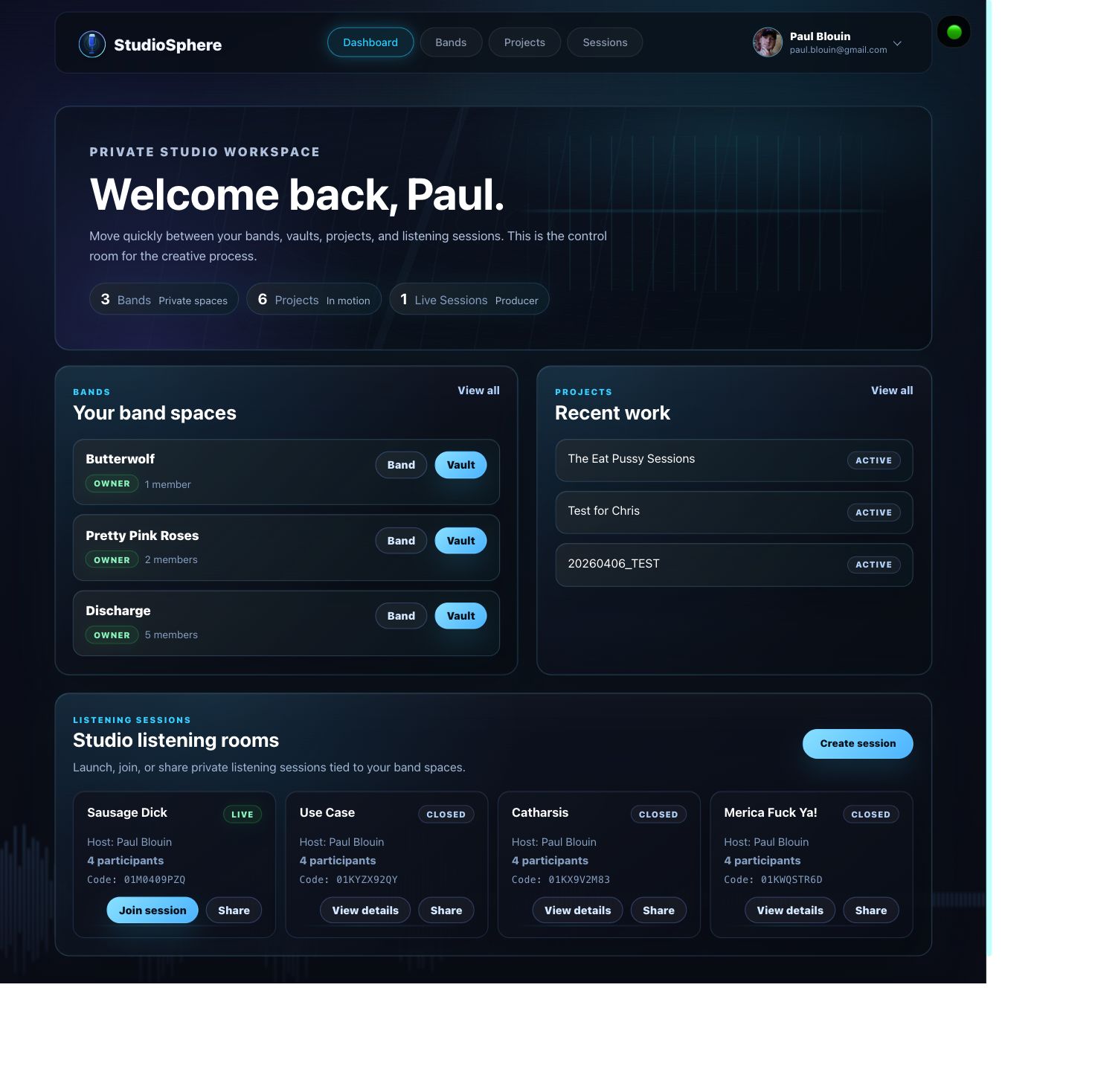
live
StudioSphere
A private creative workspace for bands, projects, and listening sessions.
Workflow lesson: A clear home for work changes how quickly a creative process can move.
Product design, architecture, automation, and implementation by Paul.
Paul Blouin / StudioSphere Inc.
Every business is a set of workflows. Before you assign AI to the work, understand how the work actually moves. I help business and workflow owners map the work, identify friction and weak handoffs, and design the next practical improvements.
“We’re fit to tackle the big problems only if we do the little things right first. No strategy will succeed—however brilliant—if it ignores logistics.”
The StudioSphere Workflow Method
Before a workflow can improve, it needs to become visible. Start with what it is trying to make true, then stay close to the next actionable step rather than getting lost in the entire system at once.
Selected systems / 2026
These products are where the method meets real constraints: people, data, handoffs, interfaces, infrastructure, and the need to make the next move obvious.
live
A private creative workspace for bands, projects, and listening sessions.
Workflow lesson: A clear home for work changes how quickly a creative process can move.
Product design, architecture, automation, and implementation by Paul.
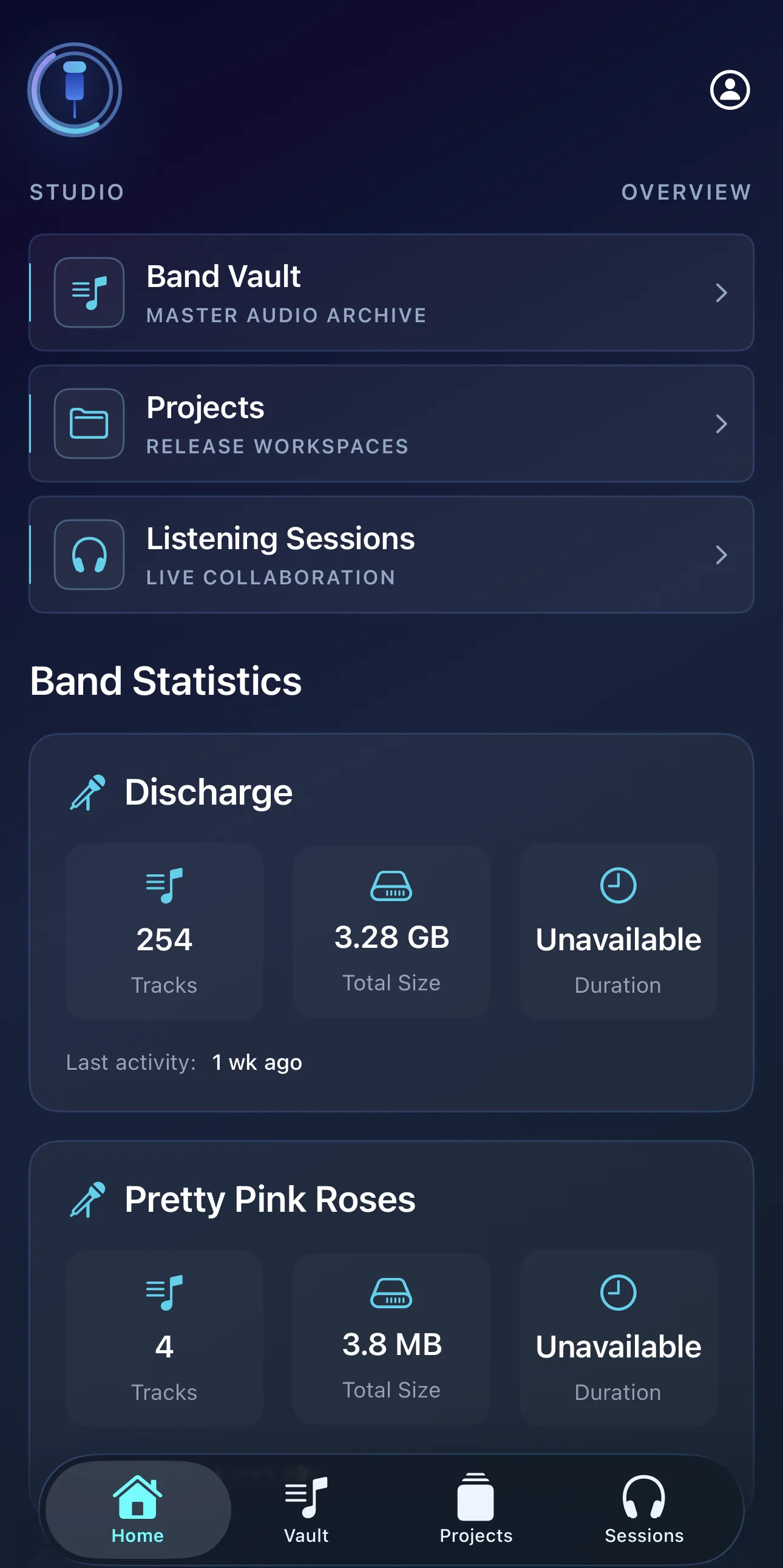
in progress
A mobile companion for the studio, vault, projects, and live collaboration.
Workflow lesson: The same system should make sense at the point where people actually need it.
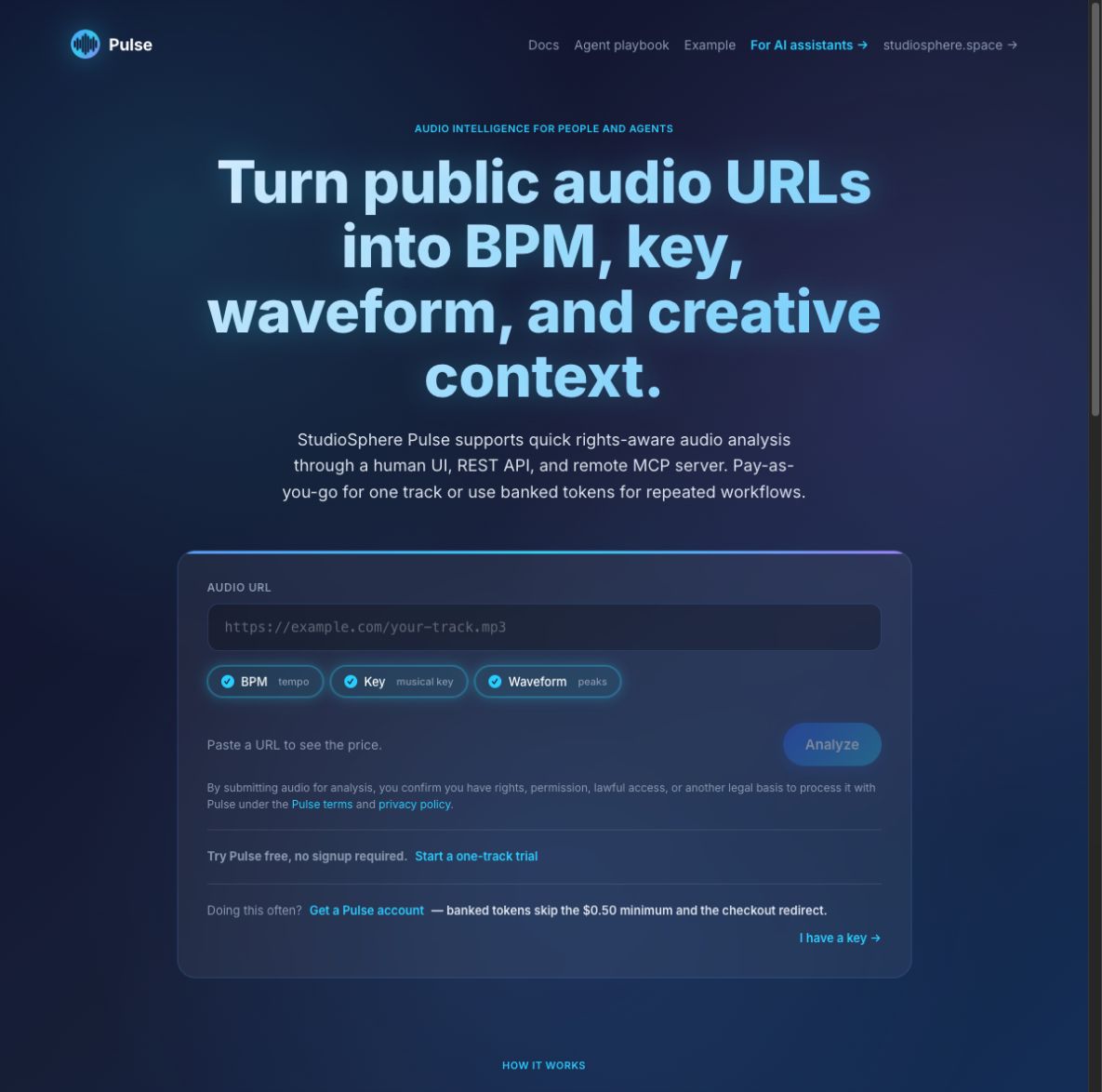
live
Audio intelligence that turns public audio URLs into musical and creative context.
Workflow lesson: Good systems turn a complex capability into one confident next action.
Product design, architecture, automation, and implementation by Paul.
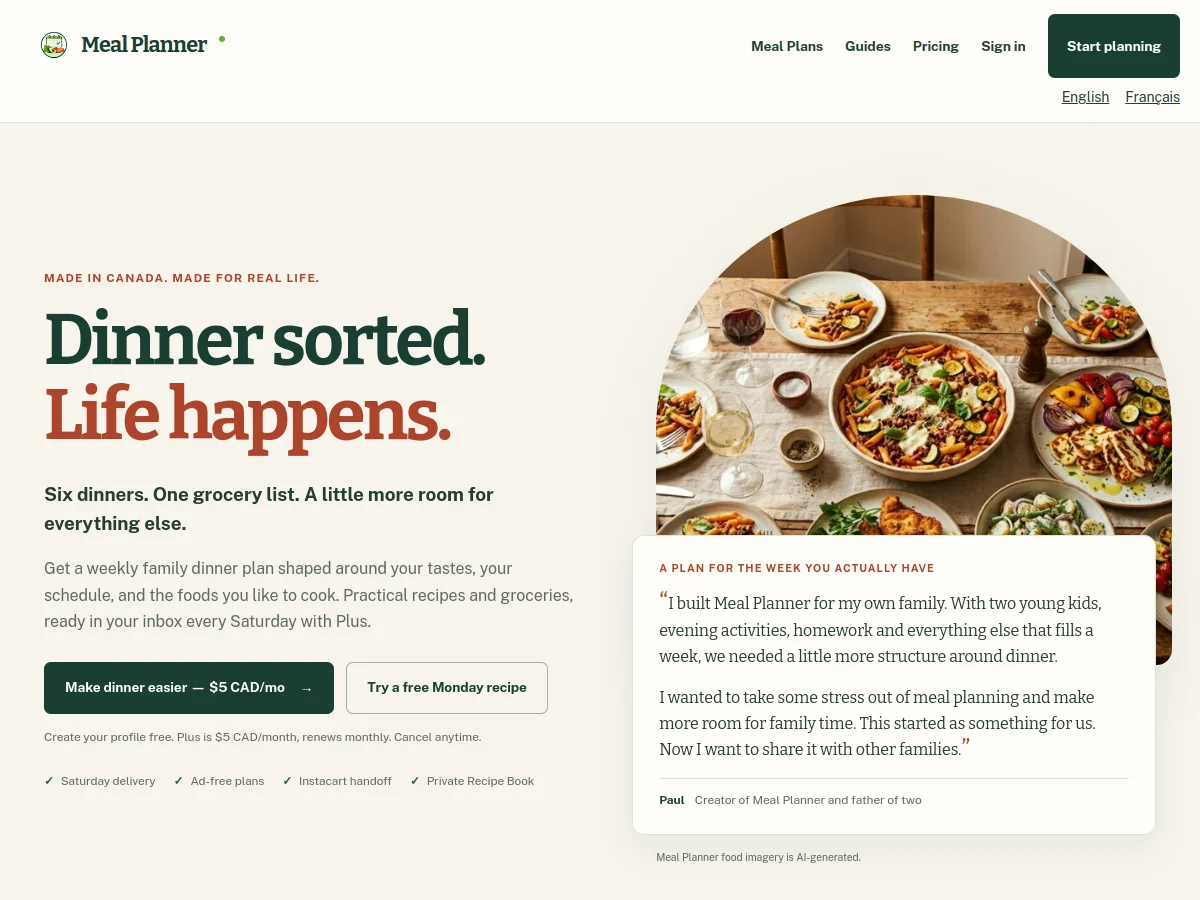
live
A practical weekly dinner-planning system for busy households.
Workflow lesson: A smaller, repeatable decision can be more valuable than a larger complicated plan.
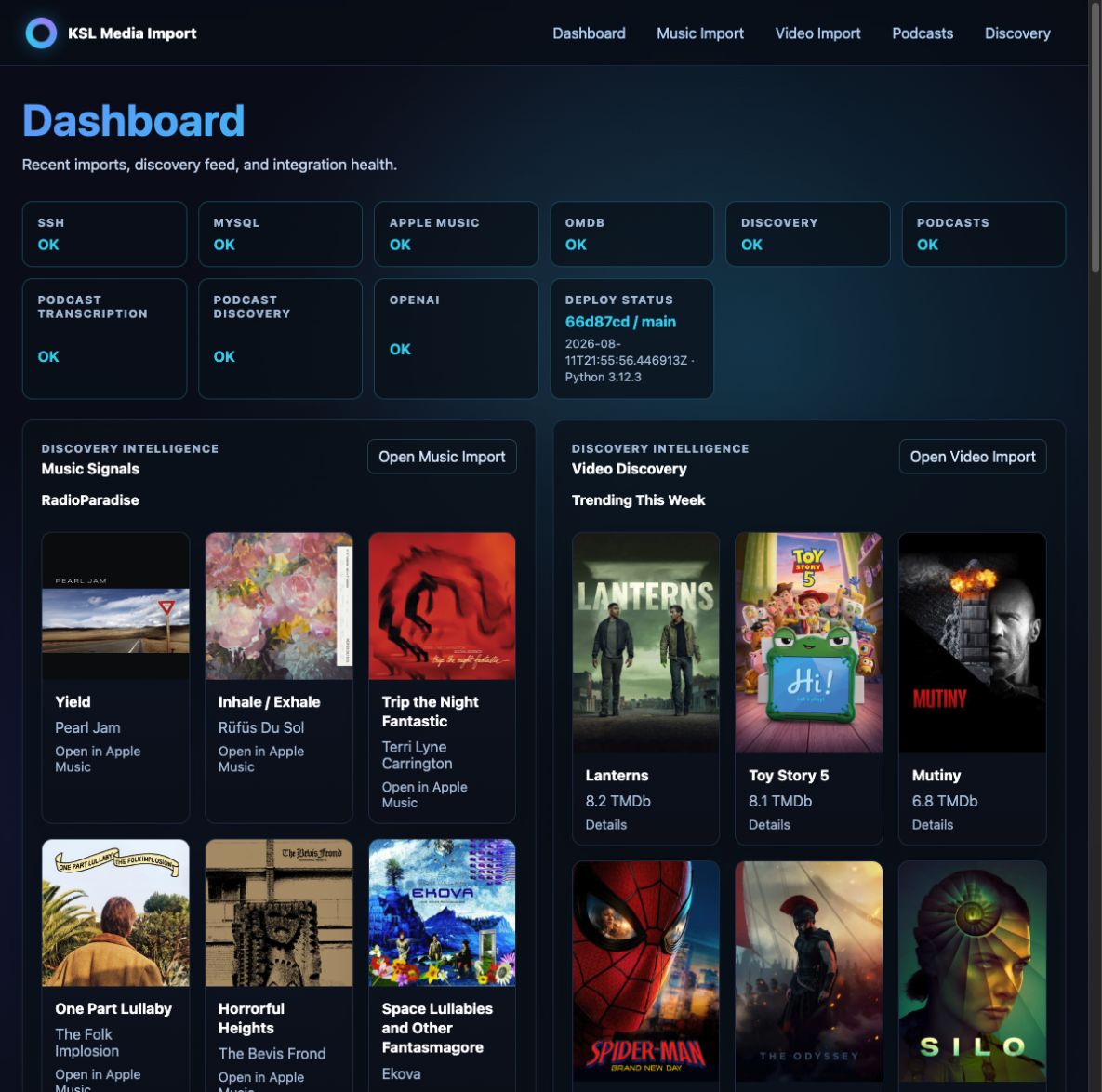
in progress
A discovery system for music, video, podcasts, and the signals around them.
Workflow lesson: Make a stream of information usable by giving it context, structure, and a place to go next.
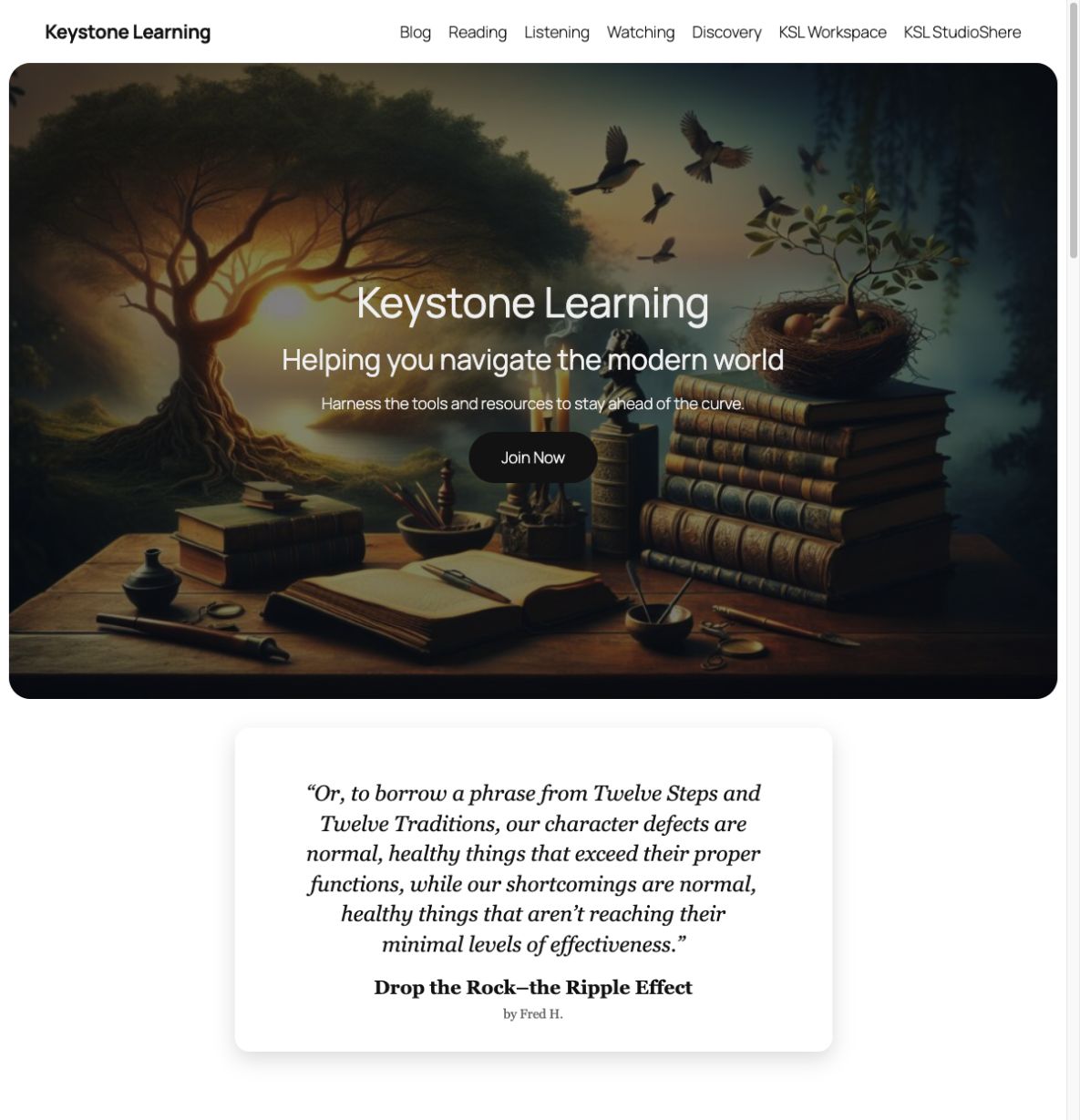
live
An open learning and discovery hub for staying curious and navigating a changing world.
Workflow lesson: A broad learning platform needs a clear, meaningful next thing to explore.
Concept, content system, design, and implementation by Paul.
Visit live project
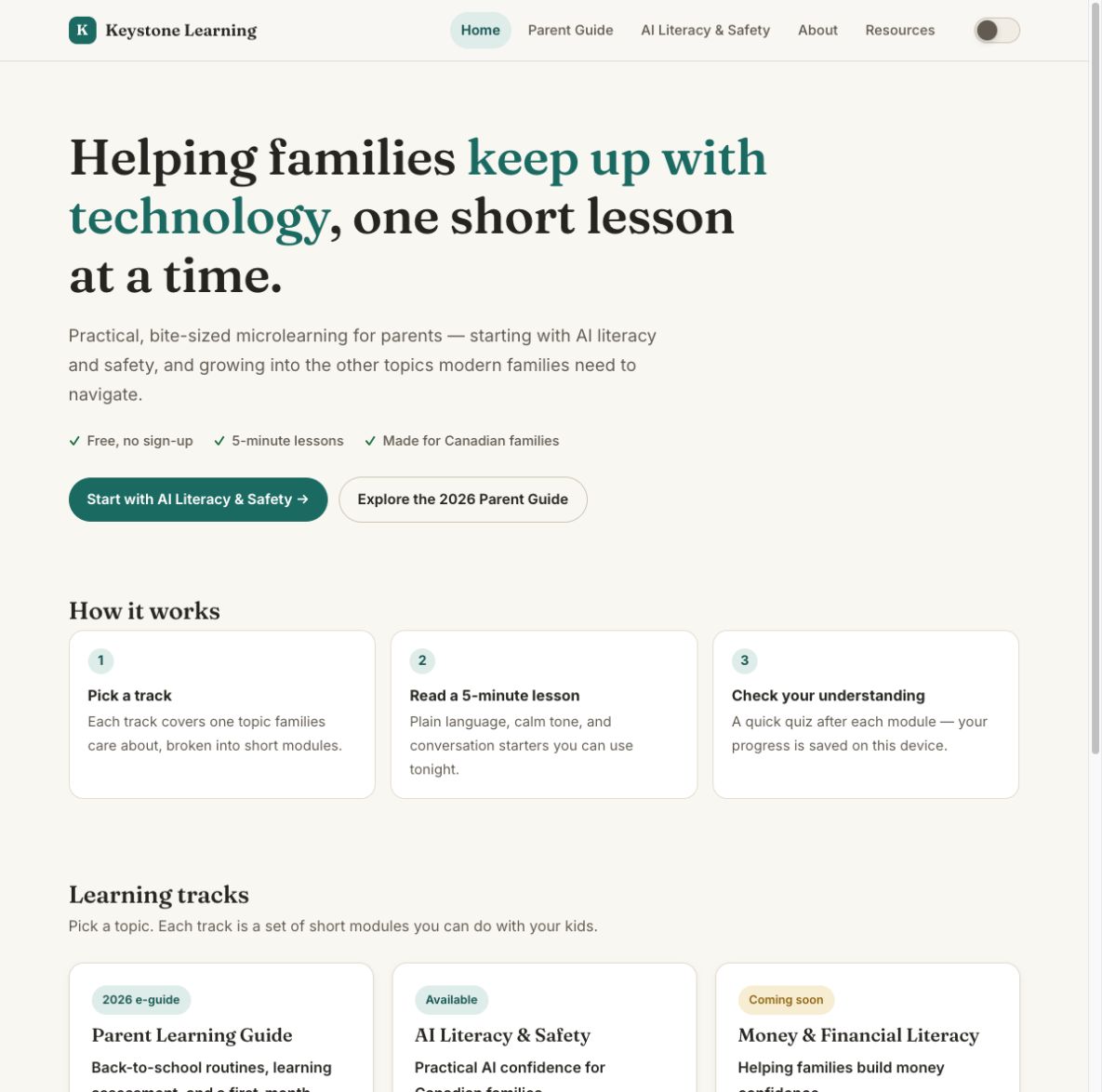
live
Free five-minute learning tracks for Canadian families, beginning with AI literacy, safety, and practical parent guides.
Workflow lesson: Microlearning works when the next lesson is small enough to begin today.
Visit live project
CREATIVE TECHNOLOGY ✦ PRACTICAL AI ✦ WORKFLOW DESIGN ✦ MUSIC DISCOVERY
Experience in practice
Tools matter when they fit the work. This is the working toolkit behind my products, experiments, automations, and operating systems.
 ChatGPT / CodexI use it to reason through systems, plan implementation, and work directly with code and operations.
 ClaudeA second thinking partner for long-form analysis, critique, and complex technical work.
 CursorAn AI-native workspace for exploring codebases and moving quickly from intent to implementation.
 n8nMy visual automation layer for connecting triggers, decisions, AI, data, and handoffs.
 NotionWhere evolving methods, decisions, research, and review hubs become shared knowledge.
 Home AssistantA living laboratory for connecting software workflows to real-world devices and events.
 SynologyPrivate storage, backup, media, and infrastructure I can understand and control.
 CanvaI use it to turn ideas and systems into approachable visual collateral.ChatGPT / Codex↗
01I use it to reason through systems, plan implementation, and work directly with code and operations.
Claude↗02A second thinking partner for long-form analysis, critique, and complex technical work.
 Google Gemini / AI Studio↗
03I use Google’s models to compare approaches and prototype multimodal ideas.
Cursor↗01An AI-native workspace for exploring codebases and moving quickly from intent to implementation.
 VS Code↗
02My dependable editor for focused software, configuration, and infrastructure work.
 GitHub↗
03The versioned record for products, experiments, collaboration, and safe iteration.
n8n↗01My visual automation layer for connecting triggers, decisions, AI, data, and handoffs.
 Changedetection.io↗
02Watches important sources and turns a change into an actionable signal.
Home Assistant↗03A living laboratory for connecting software workflows to real-world devices and events.
 Slack↗
01A practical interface for teams, system notifications, and operational conversations.
Notion↗02Where evolving methods, decisions, research, and review hubs become shared knowledge.
 Google Drive↗
03The working layer for documents, trackers, source material, and review-ready deliverables.
 Render↗
01Runs smaller web services and products without adding unnecessary operational weight.
 Backblaze↗
02A recovery layer that keeps experiments and production systems resilient.
Synology↗03Private storage, backup, media, and infrastructure I can understand and control.
 Whispr Flow↗
01Turns spoken thinking into usable text while I stay focused on the idea.
Canva↗02I use it to turn ideas and systems into approachable visual collateral.
Workflow assessment
We’ll walk through what you already know, make the work visible, and find the next practical moves—without forcing a tool or an AI solution where it does not belong.
What you receive
Implementation is scoped separately after the assessment establishes what is worth building.